About·Masthead·Ann Arbor, MI
A small publication about a quiet literature
Field Standard exists to answer one question honestly: what does the animal research on these peptides actually show — and how much weight can it carry?
How we started
Field Standard began in 2021 as a shared document between two people who kept having the same argument. Elena Ward had spent years as a university vivarium technician, caring for the animals inside experiments she wasn't allowed to design. Priya Sen was a science journalist who kept being assigned stories about the peptide of the moment. Between them sat the same frustration: the experiments measured one thing, and the headlines claimed another, and almost nobody was being paid to write down the difference.
The shared document was a running set of notes on the BPC-157 literature — which papers existed, which species they used, how many animals, who paid. We met most Tuesday mornings at a café on South Fourth Avenue in Ann Arbor, the kind of place where a two-hour occupancy of a corner table is tolerated if you keep ordering coffee. By winter the document had grown into what is now the Library: eight entries, each one shorter on certainty than anything else on the internet and, we thought, more useful for it.
Two decisions from that first year still structure the publication. The first was refusing advertising — all of it, categorically, before anyone had offered us any. A publication that explains why preclinical findings can't support human use cannot take money from anyone whose revenue depends on readers believing otherwise, and the cleanest way to prove that is to take money from no one at all. The second decision was that corrections would be public. Our first one came in March 2022: a Library entry had misstated which species a wound-healing study used. We appended the correction, noted it in the ledger, and left the original sentence struck through but legible. It stung. It was also the moment the publication started to feel real.
Not everything was tidy. In 2023 we parted ways with a contributor whose drafts kept reaching past the evidence — "promising" where the paper said "small and unblinded," "the research shows" where it showed something narrower. The disagreement was cordial and total. He thought our caution was a failure of nerve. We thought his confidence was the exact failure this publication was founded to correct. Both of us were probably a little right, and we kept the policy.
Five years on, we remain small on purpose. Six contributors, one studio above a bookbinder's shop, a corrections ledger we hope stays short and expect will not.
We read the preclinical peptide literature closely and report what it actually contains — the species, the sample size, the laboratory, the gap.
We exist so that an intelligent reader can find out where the evidence ends without being sold anything along the way.
Scope & Limitations
What we cover, and what we will not
Field Standard covers preclinical research on a defined set of peptides: the rodent studies, the cell-culture experiments, the methods and replication debates, and the history of how findings travel from a journal into public circulation. Our scope is the published animal and in vitro literature, treated as an object of study in itself.
Equally defined is what sits outside. We publish no dosing information of any kind — no amounts, schedules, routes, or cycles. We publish no sourcing information: no vendors, no suppliers, no prices, no guidance on obtaining anything. We publish no human-use guidance, because the literature we cover cannot support it and because providing it would make us something we refuse to be. And we do not cover GLP-1 receptor agonists or incretin pharmacology at all; that field is large, clinically active, and well served by actual clinical journalism, and our preclinical lens would add nothing to it.
These boundaries are not legal boilerplate. They are the editorial position. Every exclusion exists because that category of content is where evidence-free confidence does its damage.
Editorial standards
-
We name the species.
"In Sprague-Dawley rats," never "studies show." The animal is the evidence; erasing it is the first move of every exaggeration.
-
We state the gaps.
Absent human trials, small samples, missing blinding — these go in the text, not the fine print. What is not known is news.
-
We do not cite what we have not read.
Every reference in our pages has been read in full by the writer citing it. Abstracts are leads, not sources.
-
We do not publish dosing or sourcing.
No amounts, no schedules, no vendors, no prices. This literature cannot bear human-use instruction, and we will not pretend it can.
-
We correct publicly.
Errors are corrected in place with a dated note and entered in a public ledger. Nothing is silently edited away.
-
We accept no advertising or sponsorship.
No ads, no sponsors, no affiliate arrangements, no exceptions. Our only revenue is readers who choose to support the work.
Masthead

Elena Ward
EditorSpent eight years as a university vivarium technician, which means she knows what animal facilities actually look like at 6 a.m. and what the paperwork asks of the people inside them. Founded Field Standard after one too many headlines about research she recognized the smell of. Reads every piece before it runs; cuts the word "exciting" on sight.
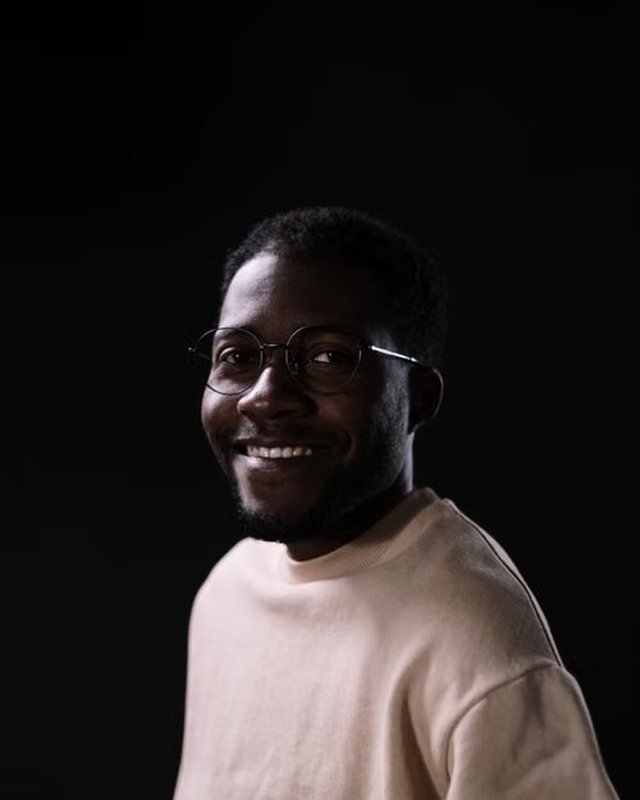
Marcus Hale
Research EditorLeft a neuroscience doctoral program when he realized his favorite part of the work was reading the methods sections of other people's papers and frowning. Writes the long evidence reviews. Keeps a wall of index cards tracking which findings have been independently replicated; the wall is emptier than he would like.

Priya Sen
Senior WriterSpent a decade as a science journalist watching preliminary findings become certainties somewhere between the press release and the group chat. Covers evidence quality and the migration of claims. Co-founded the publication with Elena over the shared document that became the Library. Still orders the same coffee.
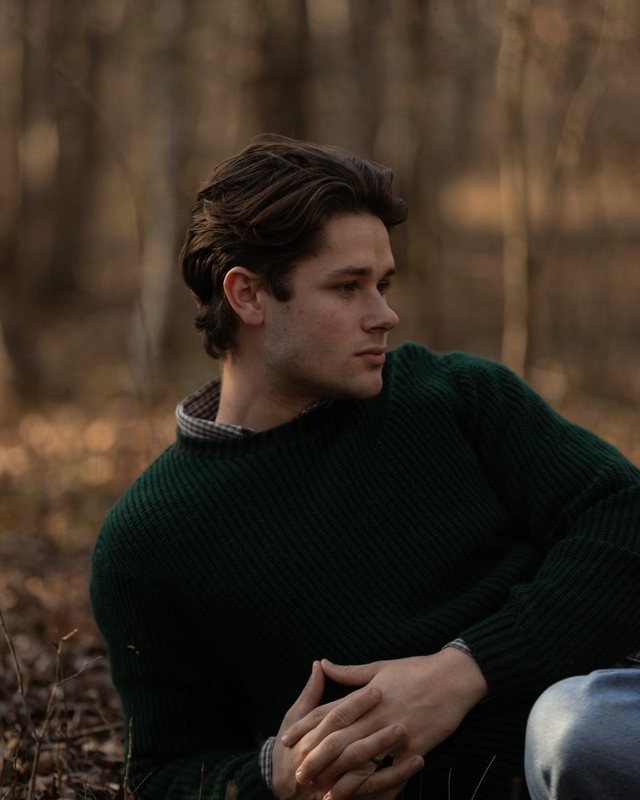
Daniel Mercer
Contributing WriterA biostatistician who consults for clinical research groups by day and writes our "Underpowered" column by night. His beat is sample sizes, endpoint selection, and the arithmetic of why small studies so often point the wrong way. Believes the power calculation is a moral document. Has been asked to lighten up.

Naomi Bell
Contributing WriterA former research librarian who spent twelve years helping scientists find papers and now spends her time finding out where claims came from. Follows citation trails, corrections, and retractions; wrote our series on how unreplicated findings become "established." Owns more citation-management software licenses than she can justify.

Elliot Crane
Copy Chief & Fact-CheckerCame up through newspaper copy desks, where he learned that the sentence most likely to be wrong is the one that reads most smoothly. Removes inflated language, verifies every species name and date, and maintains the corrections ledger. The ledger has a tab for his own errors. He insists on this.
How we're funded
Field Standard carries no advertising, accepts no sponsorship, and participates in no affiliate arrangements of any kind. There is nothing to buy on this site and there never will be. The newsletter is free and will remain free.
Our operating costs — hosting, software, printing, the occasional interlibrary loan fee — are covered by reader contributions and by the founders' own funds. Readers who write to ask how to contribute receive a short reply with the details; we do not publish a storefront, a meter, or a membership tier, and no article has ever been withheld from anyone. If contributions ever fail to cover costs, the publication gets smaller, not more commercial.
Corrections and pitches
If you believe we have misstated a finding, misattributed a model, or gotten a date wrong, write to corrections@fieldstandard.review. Corrections we accept are appended to the article with a dated note and entered in the public ledger; the original text is never silently erased. Corrections we dispute receive a written reply explaining why.
If you want to write for us — a methods essay, a citation history, an evidence review — write to pitches@fieldstandard.review with two paragraphs: what you want to argue, and what you have read that supports it. We do not publish guest content written by anyone with a financial interest in any substance discussed.
Contact

Studio
Field Standard214 South Fourth Avenue, Studio 2
Ann Arbor, MI 48104
(734) 555-0148
hello@fieldstandard.review — general
editors@fieldstandard.review — editorial
corrections@fieldstandard.review — corrections
pitches@fieldstandard.review — pitches
Response time
We are six people. Corrections are answered first, usually within two working days; everything else within five. If your letter requires us to read a paper before replying, it may take longer — we will not pretend to have read something we have not.